Bringing Nature Indoors: Plant Styling Tips
There's something magical about bringing the outdoors in. Indoor plants don't just purify the air—they transform your space into a calming, vibrant sanctuary. Whether you're a seasoned plant parent or just starting your green journey, styling plants effectively can elevate your home's aesthetic while creating a healthier living environment. From choosing the right plants for each room to mastering the art of layering and grouping, this guide will help you create stunning botanical displays that thrive year-round.
Choosing the Right Plants for Each Room
Not all plants thrive in the same conditions. Matching plants to your room's light, humidity, and temperature is essential for long-term success.
Living Room
Bright, indirect light
- Fiddle Leaf Fig (statement piece)
- Monstera Deliciosa (tropical vibe)
- Snake Plant (low maintenance)
Bedroom
Low to medium light, air-purifying
- Peace Lily (removes toxins)
- Pothos (trailing beauty)
- Lavender (calming scent)
Kitchen
Bright light, humidity-tolerant
- Herbs (basil, mint, rosemary)
- Spider Plant (easy care)
- Aloe Vera (functional + decorative)
Bathroom
High humidity, low to medium light
- Boston Fern (loves moisture)
- Bamboo (spa-like aesthetic)
- Orchids (elegant blooms)
Best Low-Maintenance Plants
- Snake Plant — Tolerates neglect, low light, infrequent watering
- Pothos — Thrives in various light conditions, forgiving with water
- ZZ Plant — Drought-tolerant, glossy leaves, nearly indestructible
- Spider Plant — Adaptable, produces baby plants, air-purifying
- Rubber Plant — Bold foliage, tolerates low light, easy care
Pot and Planter Styling
The right planter can transform a simple plant into a design statement. Consider these styling principles:
Match Your Aesthetic
Modern: Sleek ceramic pots in white, black, or concrete gray
Bohemian: Woven baskets, macramé hangers, terracotta with patterns
Scandinavian: Minimalist white or natural wood planters
Size Matters
Choose pots that are 1-2 inches larger than the plant's root ball. Oversized pots can lead to overwatering, while too-small pots restrict growth. For visual impact, use varying pot sizes when grouping plants together.
Texture & Material Mix
Don't be afraid to mix materials—pair smooth ceramic with rough terracotta, or combine metal stands with woven baskets. This creates visual interest and depth in your plant displays.
Height and Layering with Plant Stands
Creating vertical interest is key to professional-looking plant styling. Use these techniques to add dimension:
Floor Plants
Large statement plants (4-6 feet) anchor corners and empty spaces
Mid-Level Plants
Use plant stands, shelves, or side tables (2-3 feet high)
Trailing Plants
Hang from ceiling or place on high shelves to cascade down
Pro Tip: Create a "plant corner" by layering 3-5 plants at different heights. Start with a tall floor plant in the back, add a medium plant on a stand in the middle, and finish with a small trailing plant on a higher shelf or hanging planter.
Low-Maintenance Plant Picks
If you're new to plant parenting or have a busy lifestyle, these forgiving plants are perfect starters:
| Plant | Light Needs | Watering | Special Feature |
|---|---|---|---|
| Snake Plant | Low to bright | Every 2-3 weeks | Air purifier |
| Pothos | Low to medium | Weekly | Trailing vines |
| ZZ Plant | Low to bright | Every 2-4 weeks | Glossy leaves |
| Spider Plant | Medium to bright | Weekly | Produces babies |
| Rubber Plant | Medium to bright | Weekly | Bold foliage |
Looking for Plant-Friendly Decor?
Discover our curated collection of planters, plant stands, and botanical accessories to elevate your indoor garden.
Shop Plant DecorGrouping Plants for Impact
Single plants are beautiful, but grouping creates drama and visual weight. Follow the "rule of three" for balanced arrangements:
Vary Heights
Combine tall, medium, and short plants to create a cascading effect that draws the eye naturally.
Mix Textures
Pair broad-leafed plants (like Monstera) with delicate ferns or spiky succulents for contrast.
Use Odd Numbers
Groups of 3, 5, or 7 plants feel more natural and visually pleasing than even numbers.
Styling Idea: Create a "plant shelf" using floating shelves or a bookcase. Stagger plants across different levels, mixing hanging plants with upright varieties for a lush, jungle-like display.
Seasonal Care Tips
Plants have different needs throughout the year. Adjust your care routine seasonally for healthier, happier plants:
Spring & Summer
- Increase watering frequency as plants enter active growth
- Fertilize monthly with diluted liquid fertilizer
- Rotate plants weekly for even growth
- Prune dead leaves and leggy stems
Fall & Winter
- Reduce watering as growth slows down
- Stop fertilizing (plants are dormant)
- Move plants away from cold drafts and heaters
- Increase humidity with a humidifier or pebble tray
Winter Tip: Indoor heating can dry out the air, stressing tropical plants. Group plants together to create a microclimate with higher humidity, or place them on trays filled with pebbles and water.
Frequently Asked Questions
How do I know if my plant needs water?
Stick your finger 1-2 inches into the soil. If it feels dry, it's time to water. Most plants prefer to dry out slightly between waterings. Yellowing leaves often indicate overwatering, while drooping or crispy leaves suggest underwatering.
Can I mix real and faux plants?
Absolutely! High-quality faux plants can fill in gaps in low-light areas or add greenery to spaces where real plants struggle. Mix them strategically—use real plants as focal points and faux plants as supporting elements.
What's the best way to display small plants?
Group small plants on trays, tiered plant stands, or floating shelves. This creates visual impact and makes watering easier. Use decorative trays to catch excess water and protect surfaces.
How often should I repot my plants?
Most plants need repotting every 1-2 years, or when roots start growing out of drainage holes. Spring is the best time to repot, as plants are entering their active growth phase. Choose a pot 1-2 inches larger than the current one.
Conclusion
Bringing nature indoors isn't just about adding greenery—it's about creating a living, breathing space that nurtures your well-being. By choosing the right plants for each room, styling them with intention, and caring for them seasonally, you'll transform your home into a botanical sanctuary. Start small with a few low-maintenance plants, experiment with different heights and groupings, and watch your confidence (and your plant collection) grow.
Ready to start your plant styling journey? Explore our curated collection of planters, stands, and botanical decor to bring your vision to life.
Shop the Botanical Home Look
Every product is matched to the layered plant stands, trailing greenery, terracotta pots, and lush foliage of the hero image — build your indoor garden with these curated picks.
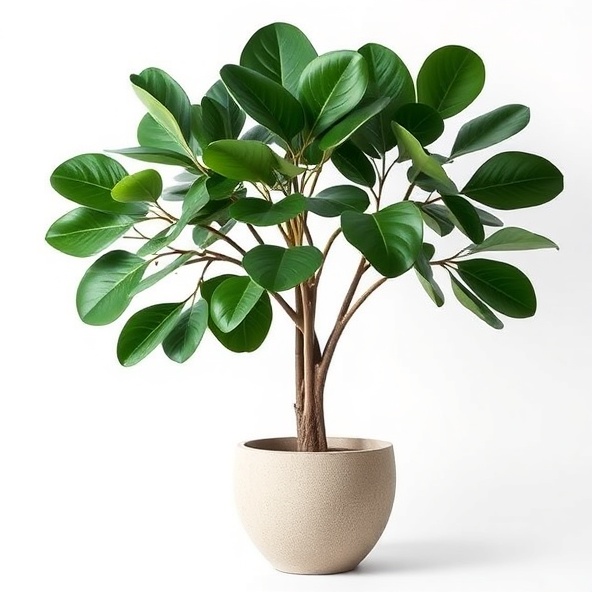 Statement PieceFloor Plant
Fiddle Leaf Fig — Large Statement Plant
Tall fiddle leaf fig in a sculptural pot — the ultimate living room statement plant.
The large floor plant anchoring the corner is the hero image's most prominent botanical element.
Tiered Bamboo Plant Stand (3-tier)
Natural bamboo 3-tier plant stand — display multiple plants at varying heights effortlessly.
Height layering with plant stands is the core styling technique shown in the hero image.
Terracotta Pot Set — 5 Sizes
Classic terracotta pots in 5 sizes — the timeless planter for any plant styling aesthetic.
Terracotta pots in varying sizes create the cohesive, layered planter look in the hero image.
Monstera Deliciosa in White Ceramic Pot
Iconic split-leaf monstera in a clean white ceramic pot — tropical drama, minimal effort.
The monstera's bold tropical leaves add the lush green foliage central to the hero image.
Macramé Plant Hanger Set (3-pack)
Hand-knotted cotton macramé hangers — suspend trailing plants at different heights.
Hanging plants in macramé hangers create the vertical layering visible in the hero image.
Snake Plant in Concrete Planter
Architectural snake plant in a matte concrete planter — low-maintenance, high-impact.
The snake plant's upright form and concrete pot match the modern botanical aesthetic of the hero.
Pothos Trailing Plant in Hanging Basket
Lush trailing pothos in a woven hanging basket — cascading greenery for shelves or ceilings.
Trailing plants cascading from shelves are the flowing green element in the hero image.
Marble-Look Ceramic Planter Set (3-piece)
Elegant marble-effect ceramic planters in 3 sizes — a sophisticated upgrade from basic pots.
Varied ceramic planters in a cohesive style create the curated planter grouping in the hero image.
Affiliate links — we may earn a small commission at no extra cost to you.
Affiliate Disclosure: This article contains affiliate links. If you make a purchase through these links, LOXURA may earn a small commission at no additional cost to you. We only recommend products we genuinely believe will enhance your plant styling experience.
Get more articles like this
Join 12,400+ readers who get our best home decor ideas, curated picks, and design guides delivered weekly — no spam, ever.
- Weekly design inspiration & trend reports
- Exclusive product picks & honest reviews
- Room-by-room decorating guides
Related Articles
Related Reviews
Abstract Canvas Art
Gallery-quality giclee printing on premium cotton canvas at a fraction of gallery prices. Neutral earth tones work with any decor.
Handcrafted Macrame Wall Hanging
Hand-knotted by artisans using 100% natural cotton rope. Adds warmth, texture, and a handmade quality that mass-produced art simply cannot replicate.
Woven Storage Baskets
Handwoven seagrass baskets that are as beautiful as they are functional. Nine months of heavy use and they still look brand new.