Minimalist Bedroom Design: Less is More
In our cluttered, overstimulated world, the bedroom should be a sanctuary of calm. Minimalist design isn't about deprivation—it's about intentionality. By removing excess and focusing on what truly matters, you create a space that promotes better sleep, reduces stress, and brings genuine peace of mind. Here's your complete guide to achieving minimalist bedroom perfection.
🛏️ Ready to simplify? Discover our minimalist bedroom essentials!
Shop Curated CollectionThe Philosophy Behind Minimalist Design
Minimalism in bedroom design follows a simple principle: every item should serve a purpose or bring joy. This doesn't mean your space needs to be stark or cold. Instead, it's about curating a collection of meaningful pieces that work together harmoniously.
The benefits extend beyond aesthetics. Studies show that cluttered environments increase cortisol levels and disrupt sleep quality. A minimalist bedroom, by contrast, promotes relaxation and mental clarity—exactly what you need for restorative rest.
Start with a Complete Declutter
Before adding anything new, remove what doesn't belong. Take everything out of your bedroom that isn't essential for sleep, dressing, or genuine relaxation. This includes:
- ✗Work materials and electronics (except alarm clocks)
- ✗Exercise equipment
- ✗Excess decorative items
- ✗Clothes that don't fit or you don't wear
- ✗Unnecessary furniture pieces
Be ruthless but thoughtful. If you haven't used something in six months and it doesn't bring genuine joy, it's time to let it go. Donate, sell, or recycle—just get it out of your sleep sanctuary.
Choose a Neutral Color Palette
Minimalist bedrooms thrive on neutral, calming colors. Think whites, creams, soft grays, beiges, and natural wood tones. These colors create a sense of spaciousness and tranquility while providing a timeless backdrop that won't feel dated.
You can add subtle warmth through varying shades and textures within your neutral palette. A cream duvet, gray throw blanket, and natural linen pillows create depth without visual chaos. For more guidance, check our article on color psychology and paint selection.
✨ Create Your Serene Retreat
Explore our handpicked minimalist bedroom furniture and decor
View Top PicksInvest in Quality Over Quantity
Minimalism doesn't mean cheap—it means intentional. Rather than filling your room with mediocre pieces, invest in fewer, higher-quality items that will last. A well-made bed frame, comfortable mattress, and quality bedding are worth the investment.
Essential Furniture Pieces:
- A sturdy bed frame with clean lines
- One or two nightstands (matching not required)
- A dresser or wardrobe for clothing storage
- Optional: A simple bench or chair
That's it. If a piece doesn't serve a clear function, you probably don't need it.
Maximize Hidden Storage
The key to maintaining minimalist aesthetics is keeping clutter out of sight. Invest in furniture with built-in storage: beds with drawers underneath, nightstands with closed cabinets, and wardrobes with organized interiors.
Use drawer dividers, storage boxes, and closet organizers to keep everything in its place. When items have designated homes, it's easier to maintain that clean, uncluttered look. Read our comprehensive guide on organization hacks for more storage solutions.
Layer Textures for Warmth
A common misconception is that minimalist means cold and sterile. Combat this by layering different textures within your neutral palette. Mix linen sheets with a chunky knit throw, add a soft wool rug, or incorporate natural wood and woven baskets.
These textural variations create visual interest and tactile comfort without adding visual clutter. The key is keeping colors cohesive while varying materials and finishes.
Embrace Natural Light
Natural light is a minimalist's best friend. It makes spaces feel larger, more open, and more connected to nature. Keep window treatments simple—think sheer curtains or clean-lined blinds that can be fully opened during the day.
For artificial lighting, choose simple fixtures with warm bulbs. A single statement pendant or pair of matching bedside lamps is often all you need. Learn more about effective lighting design strategies in our detailed guide.
Add One or Two Meaningful Decor Pieces
Minimalism doesn't mean zero personality. Choose one or two meaningful decor items that bring you joy: a favorite piece of art, a beautiful plant, or a cherished photograph. These items become focal points precisely because they're not competing with clutter.
Plants are particularly effective in minimalist spaces—they add life and color while maintaining the natural, organic aesthetic. A single large plant or a few small succulents can make a significant impact.
Maintain Clear Surfaces
One of the hallmarks of minimalist design is clear, uncluttered surfaces. Your nightstand should hold only essentials: a lamp, perhaps a book you're currently reading, and maybe a small plant or water glass.
Make it a daily habit to clear surfaces before bed. This simple practice maintains the peaceful atmosphere and makes your morning routine more pleasant. Everything else should be stored away in drawers or closets.
Create a Technology-Free Zone
Perhaps the most important minimalist principle: remove screens from your bedroom. No TV, no laptop, and ideally, no phone (or at least keep it across the room as an alarm only).
Blue light disrupts sleep cycles, and the mental stimulation from screens prevents your brain from winding down. A technology-free bedroom promotes better sleep quality and helps establish healthy boundaries between work and rest.
Frequently Asked Questions
Is minimalist design expensive?
Not necessarily. While minimalism emphasizes quality over quantity, you can achieve the look on any budget. Start by decluttering (free!), then gradually invest in key pieces. Thrift stores and online marketplaces often have simple, quality furniture at great prices.
Won't a minimalist bedroom feel cold and unwelcoming?
Only if done incorrectly. The key is layering textures, incorporating natural materials, and ensuring adequate lighting. A minimalist bedroom should feel serene and peaceful, not sterile. Warmth comes from thoughtful curation, not quantity of items.
How do I maintain a minimalist bedroom long-term?
Establish daily habits: make your bed every morning, clear surfaces before bed, and put things away immediately after use. Adopt a "one in, one out" rule—when you bring something new into the bedroom, remove something else. Regular decluttering sessions (quarterly) help maintain the aesthetic.
Can I have color in a minimalist bedroom?
Absolutely! While neutrals are common, you can incorporate muted colors like sage green, dusty blue, or terracotta. The key is choosing one or two accent colors and using them sparingly. Avoid busy patterns and keep the overall palette cohesive and calming.
Final Thoughts
Creating a minimalist bedroom is a journey, not a destination. Start with decluttering, then gradually curate a space that serves your needs without excess. The result is a peaceful sanctuary that promotes better sleep, reduces stress, and brings clarity to your daily life.
Remember: minimalism isn't about perfection or deprivation. It's about intentionality—surrounding yourself only with items that serve a purpose or bring genuine joy. Your bedroom should be the most restful place in your home, and minimalist design helps achieve exactly that.
Shop Minimalist EssentialsAffiliate Disclosure
This post contains affiliate links. If you purchase through these links, we may earn a small commission at no additional cost to you. We only recommend products that align with minimalist principles and genuine quality.
Shop the Minimalist Bedroom Look
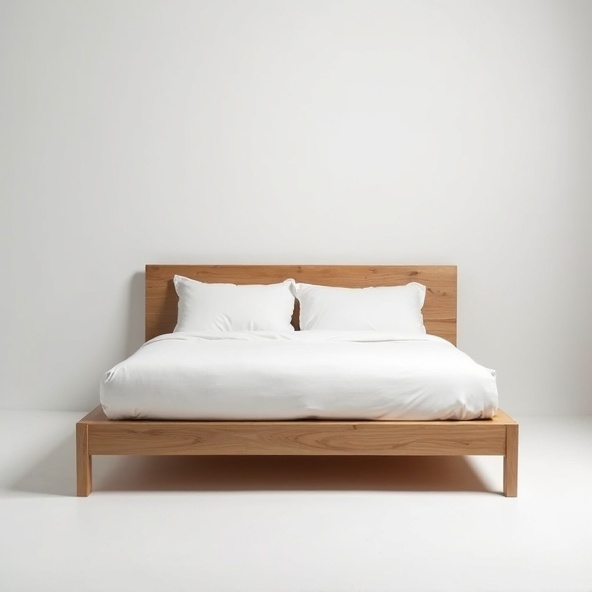
Products matched to the white bedding, natural oak wood, and single-plant simplicity of the hero image — everything you need, nothing you don't.
 Best SellerBed Frame
Platform Bed Frame in Natural Oak
Low-profile solid oak platform bed with clean lines — the anchor of any minimalist bedroom.
Natural wood grain and low silhouette match the serene, grounded bedroom in the hero image.
Organic Cotton Duvet Set in White
GOTS-certified organic cotton duvet and pillowcases — crisp, breathable, and timeless.
Pure white bedding is the signature of the minimalist bedroom hero image — clean and serene.
Minimalist Oak Nightstand with Drawer
Slim solid oak nightstand with a single drawer — functional and beautifully restrained.
Matches the natural wood nightstand and clear-surface aesthetic in the hero image.
Linen Blackout Curtains in Warm White
Linen-look blackout panels that block light while keeping the room airy and soft.
Warm white linen panels create the soft, diffused light atmosphere of the hero bedroom.
Monstera Deliciosa in White Ceramic Pot
Statement tropical plant in a clean white ceramic pot — the one decor piece a minimalist bedroom needs.
The single green plant on the nightstand is the hero image's only decor — this is it.
Wool Bedroom Rug in Soft Gray
Hand-tufted wool rug in soft gray — warmth underfoot without disrupting the calm palette.
Soft gray wool adds texture and warmth while staying within the neutral bedroom palette.
Affiliate links — we may earn a small commission at no extra cost to you.
Get more articles like this
Join 12,400+ readers who get our best home decor ideas, curated picks, and design guides delivered weekly — no spam, ever.
- Weekly design inspiration & trend reports
- Exclusive product picks & honest reviews
- Room-by-room decorating guides
Related Articles
Related Reviews
Abstract Canvas Art
Gallery-quality giclee printing on premium cotton canvas at a fraction of gallery prices. Neutral earth tones work with any decor.
Handcrafted Macrame Wall Hanging
Hand-knotted by artisans using 100% natural cotton rope. Adds warmth, texture, and a handmade quality that mass-produced art simply cannot replicate.
Woven Storage Baskets
Handwoven seagrass baskets that are as beautiful as they are functional. Nine months of heavy use and they still look brand new.